Events

Views Navigation

Event Views Navigation

Today
  • National Security Implications of Climate Change in Florida

    Zoom Discussion

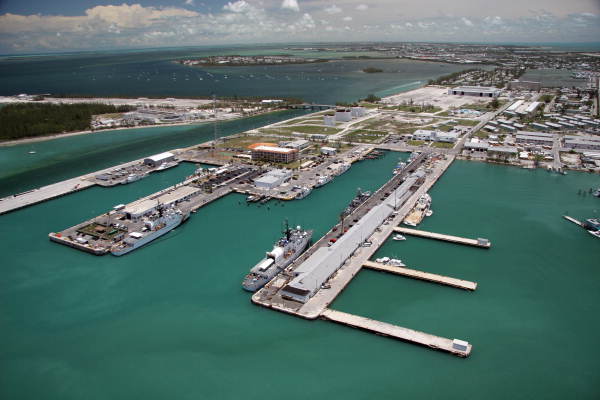
    Florida plays an important role in U.S. national security, and climate change poses clear risks to national security assets in Florida. Please join Lieutenant General Norm Seip, USAF (ret.) for a discussion of the climate threats to military infrastructure, operations, and readiness in Florida, as well as the broader threats to U.S. national security interests.

  • Military Base Resilience in Tampa Bay

    Florida’s strategic importance in protecting America’s national security is indisputable. Home to over 20 military installations, Florida’s abundant coastline is a natural choice for military exercises and deterrence. Tampa in particular, host to two command centers, is a critical convergence of U.S. national security. Join the American Security Project on May 19th at 2pm EST […]

  • Maintaining A Strategic U.S. Presence in the Persian Gulf

    Zoom Discussion

    The U.S. has key security and geopolitical interests that make access to the Persian Gulf region a critical national security priority. Ongoing conflict stemming from ISIL and in Yemen will continue to exacerbate regional instability. The U.S. should continue to engage GCC states, which remain critical allies in meeting the shifting security challenges in the […]

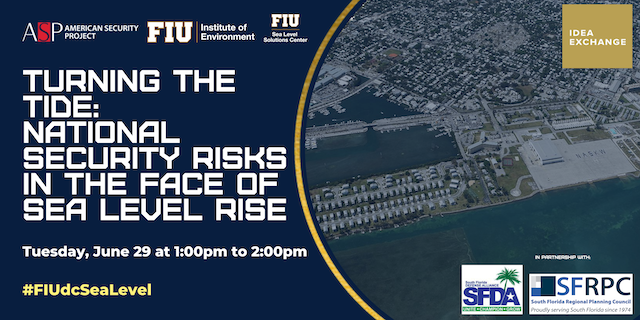
  • Turning The Tide: National Security Risks in the Face of Sea Level Rise

    Sea level rise and more extreme weather events are causing risks to military installations, readiness, operations, and strategy. The Department of Defense manages more than 1,700 military installations that may be affected by sea-level rise. How can we prepare the military bases for the risk of sea-level rise damage and what are the priority areas when it comes to these issues?

  • Investing in Infrastructure – How Infrastructure Plays a Role in U.S. National Security

    Zoom Discussion

    America’s infrastructure priorities have far-reaching implications for national security ¬– both within and outside the United States. Investments in the national grid, renewable energy, electric vehicles, carbon capture, and technological development, among other opportunities, have the potential to improve American competitiveness abroad while increasing resiliency and mitigation at home.
  • Climate Change and National Security in Northeastern Florida

    100 Festival Park Ave, Studio A, Jacksonville, FL 32202 100 Festival Park Ave, Studio A, Jacksonville, FL, United States

    On August 24th, please join the American Security Project and the Northeast Florida Regional Planning Council, in partnership with ADAPT, in Jacksonville, Florida for a panel discussion with Lieutenant General John Castellaw USMC (Ret.) and City of Jacksonville Council Members Randy DeFoor and retired U.S. Navy Captain Aaron Bowman, and others on progress made in […]

  • The Battle Against Illicit Fishing

    Zoom Discussion

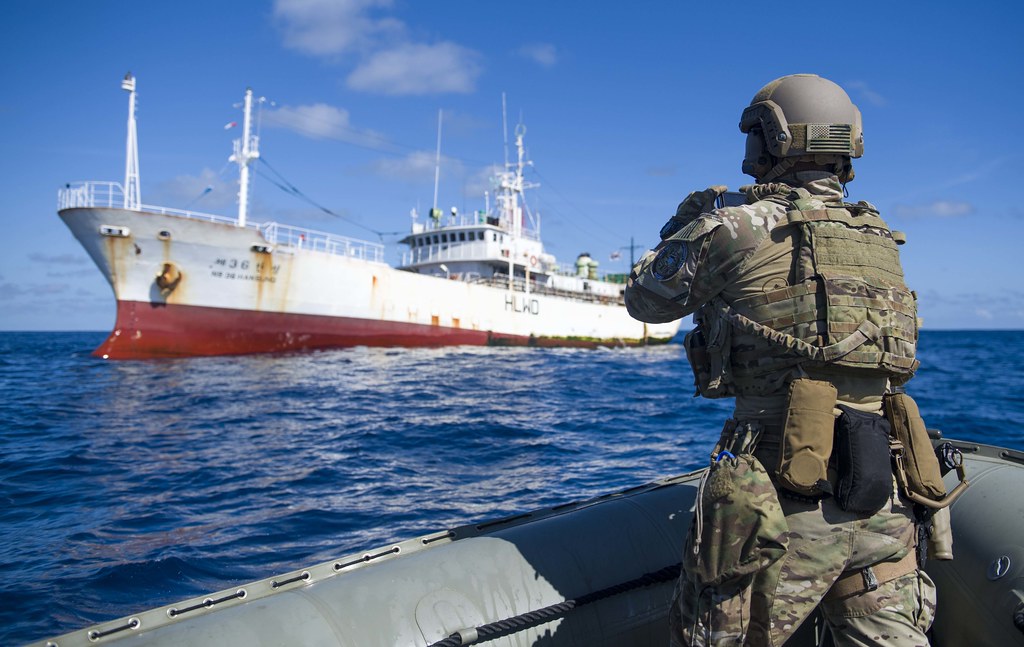
    Illegal, Unreported, and Unregulated (IUU) fishing is the leading global maritime security threat. Without direct action, illicit fishing stands to exacerbate food insecurity, diminish the economic stability of coastal States, and increase tension among foreign-fishing Nations. Combating IUU fishing on a global scale requires a strategic approach, including a network of information sharing between governments […]

  • East Central Florida: Security in a Changing Climate

    Full Sail Orlando Health Fortress 3260 University Blvd #105, Winter Park, FL, United States

    East Central Florida and the Treasure Coast are home to key assets to U.S. national security, such as Patrick Space Force Base, NASA, and the Navy’s Air Warfare Center. Acute shocks from threats like flooding, heat waves, and rising seas can harmfully impact military readiness at these installations. Coordinated partnerships between the public and private […]

  • COP26 and the Future of Climate Diplomacy

    Virtual

    Join the American Security Project for an on-the-record conversation on Thursday, November 18 where we will discuss the urgency of the climate crisis, the commitments made at COP26, and the future of climate diplomacy.

  • Addressing a Revanchist Russia

    Virtual

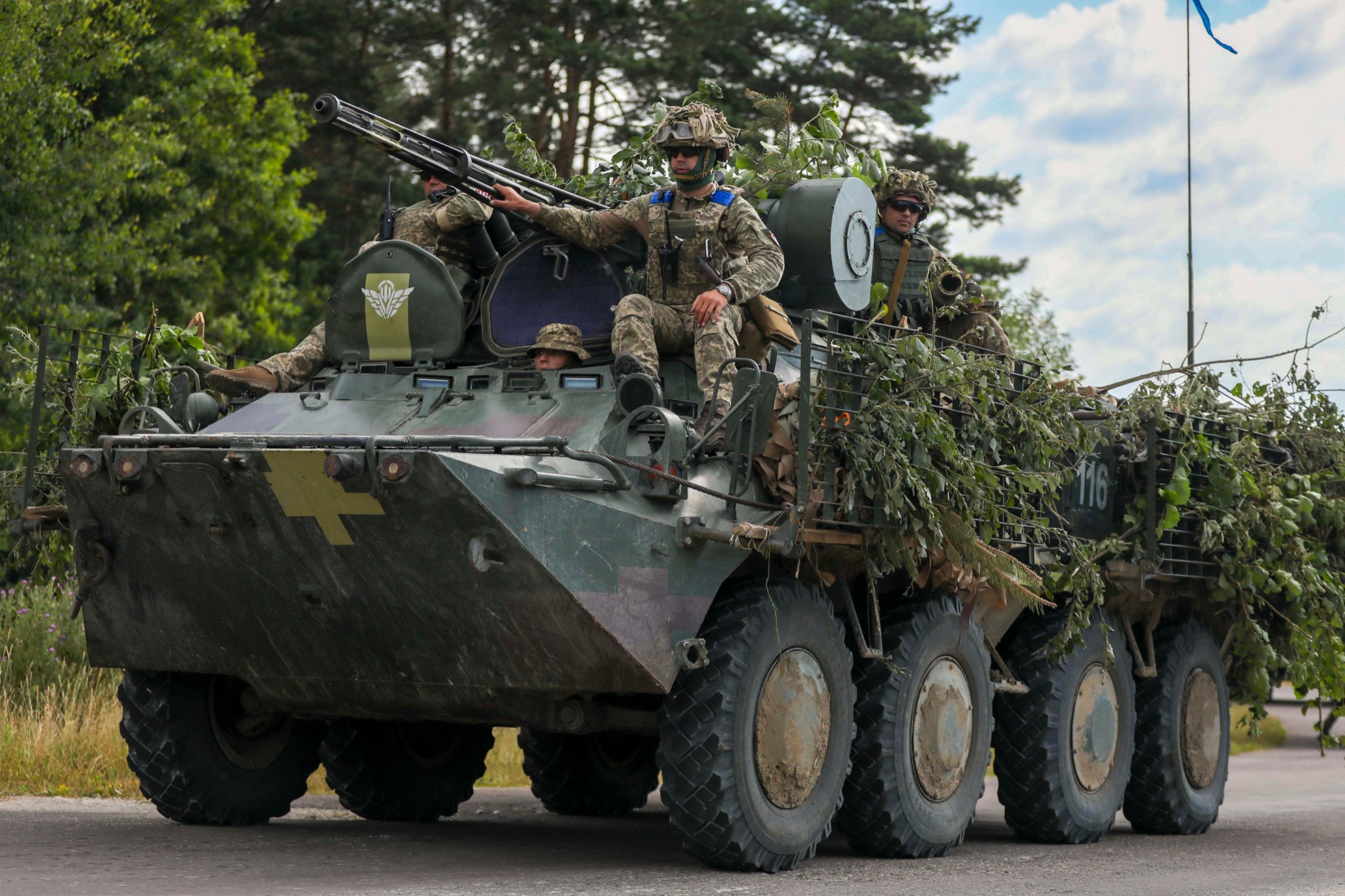
    Recent months have seen a series of provocative actions from Russian President Vladimir Putin. Join the American Security Project for an on-the-record conversation on Friday, December 3. Our guest speakers, Ambassador Steven Pifer and Dr. Evelyn Farkas, will discuss recent developments along Ukraine’s frontier, tensions between Russia and the West, and U.S. engagement with Russia, more broadly.

  • Regional Solutions to Global Problems: Climate Security in Alaska

    Virtual

    Alaska continues to play a crucial role in protecting U.S. national security. As the Arctic continues to melt, the region is becoming a breeding ground for strategic competition and adversarial action. Leaders on all levels need to work together to both mitigate and adapt against the risks climate change poses to Alaska.

  • What’s Next for Afghanistan

    Zoom Discussion

    Join the American Security Project on December 16th to discuss developments in Afghanistan post-withdrawal

  • How the United Kingdom is Decarbonizing Defense & Adapting to Climate Change

    A recap and video of this event is available here.   In March 2021, the United Kingdom’s Ministry of Defence (MOD) released strategic guidance on how the MOD will address the challenge of climate change, the Climate Change and Sustainability Strategic Approach. The new strategy highlights how climate change is relevant to defense, how the […]

  • Global Trends: Forces Shaping National Security in Coming Decades

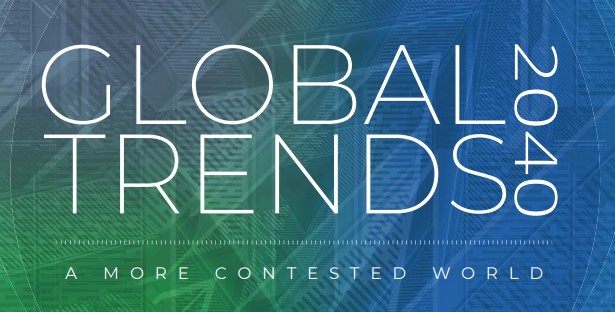
    A recap and video of this event is available here.   Every four years, the National Intelligence Council (NIC) releases an assessment of the forces and dynamics likely to shape the national security environment over the next 20 years. Known as the Global Trends Report, it is intended to provide each incoming or returning U.S. […]

  • Rapid Response Briefing: On the Brink of War in Ukraine

    On February 11, ASP will host a conversation with Vivian Salama, national security reporter at The Wall Street Journal, who will share her perspective from recent reporting on the ground in Ukraine.

  • War in Ukraine: Rapid Response Briefing with Chuck Hagel, Former Secretary of Defense

    Virtual

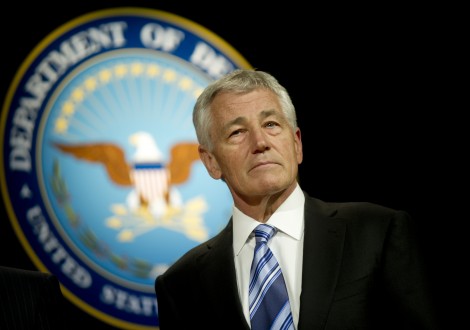
    A recap and video of this event is available here. Russia’s invasion of Ukraine and the rhetoric coming from the Kremlin demonstrate that this crisis has entered a new, and dangerous phase. Please join the American Security Project on Monday, 28 February to hear former Secretary of Defense Chuck Hagel discuss the rapidly evolving situation […]

  • Global Implications of Climate Change

    Virtual

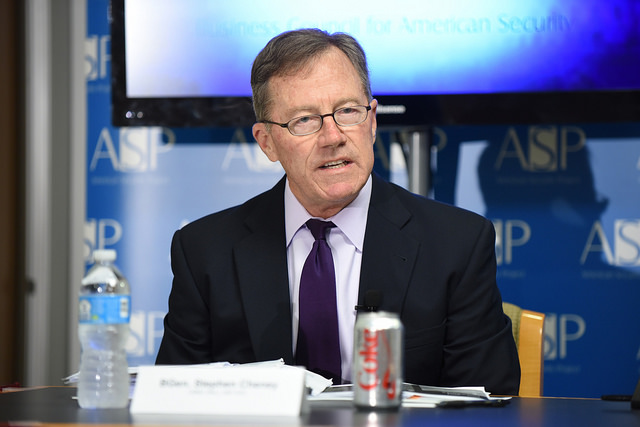
    Join Brigadier General Stephen A. Cheney, USMC (Ret.), former President and current Board of Directors member of the American Security Project, as he speaks to the World Affairs Council of Albuquerque to provide his insights on the progress made so far, how to tackle the ultimate threat multiplier, and what it means for international relations.

  • Crisis in Ukraine: A Conversation with Baroness Catherine Ashton

    Virtual

    Join us on 9 March at 2 PM ET for a conversation with the Right Honourable Baroness Catherine Ashton, former European Union High Representative for Foreign Affairs and Security Policy. Baroness Ashton will share her views on the war in Ukraine, European perspectives on the conflict, alliance cohesion, and the risks of escalation.

  • Going, Going, Green: Winning a Global Skills Revolution

    Join this event featuring Governor Christine Todd Whitman and Sue Duke, Global Head of Public Policy and Economic Graph at LinkedIn, for a discussion on how green skills will drive the future global economy.

  • A View From Kyiv – A Conversation with Minister Tymofiy Mylovanov

    Virtual

    A recap and video of this event is available here. At 10AM EST on Friday, April 1, the American Security Project will host a virtual meeting with Dr. Tymofiy Mylovanov, President of the Kyiv School of Economics and former Minister of Economic Development, Trade and Agriculture of Ukraine. Dr. Mylovanov will provide a first-hand account […]

  • Bear-ing down: Geopolitical Implications of Russian Sanctions

    A recap and video of this event is available here. In response to the illegal invasion of Ukraine, the United States and allied partners imposed an unprecedented sanctions regime on Russian President Vladimir Putin, Russian individuals, and the Russian economy. But questions remain on whether these economic measures will alter the political calculations in Moscow. […]

  • Special Earth Day Discussion – A Conversation with Dr. Varun Sivaram

    A recap and video of this event is available here. Around the world, governments, organizations, and industry partners are increasingly focused on energy technology, energy security, and the transition to net-zero. While there is cause for optimism, the scope, scale, and speed of innovation and investments present unique challenges, and sectors are unevenly exposed to […]

  • Evaluating Cyber Warfare and Espionage

    A recap and video of this event is available here. Theaters for conflict have grown in the last several decades to now include the digital universe and cyberspace. The borderless nature of these forums enables perpetrators to attack critical infrastructure, large populations and pose a serious threat to U.S. national security. Cyber disruptions are widespread […]

  • A Conversation with Senator Chris Murphy (D-CT) on the Ongoing War in Ukraine

    A recap and video of this event is available here. As Ukrainians continue to fight for their very lives and the right to determine their own future, the impact of Russia’s invasion will undoubtedly be felt for generations. With no end to Russia’s hostilities in sight, and Ukraine’s future uncertain, the U.S. and its allies […]

  • Climate Change Impacts on National Security in South Florida

    Florida International University 11200 SW 8TH ST, MIAMI, FL, United States

    On 16 May join the American Security Project (ASP) and Florida International University (FIU) for an in-person discussion with Executive Director of the South Florida Defense Alliance Richard M. Miller, Florida House Representative James Vernon “Jim” Mooney, JR., ASP Consensus for American Security Member and former Florida Chief Resilience Officer Julia Nesheiwat, PhD., and FIU […]

  • rEVolution: The Future of Electric Vehicles (EVs) and the Military

    A recap and video of this event is available here. Several recent Department of Defense strategies and plans have specified electric vehicles as a key component necessary to reduce U.S. military carbon emissions. From transitioning tactical vehicle fleets to the electrification of warfighting platforms, the future of EVs and the military has no shortage of […]

  • The Cost of Climate Change & Benefits of Action

    The Blue Moon Taproom - Waterside District 333 Waterside Drive, Norfolk, VA, United States

    Impacts from climate change, like sea level rise and an increase in extreme weather events, are at the forefront of military operations and planning in Norfolk, Virginia.

  • Green Trade – Aligning Policy and Climate Goals

    Through trade policy, policymakers can build environmentally sustainable supply chains, incentivize renewable energy investment, and make the green economy a profitable pursuit.

  • Earth, Fire, Wind, Water: Climate Considerations in Nevada

    Zoom Discussion

    Climate change is impacting every industry in Nevada and the surrounding area. From public health and the hospitality industry to agriculture and water resources, climate change is fundamentally changing how the state does business and how the military operates in the region.

  • Previewing President Biden’s Middle East Trip

    A video and recap of this event is available here.   Please join us on Tuesday, July 12 for a conversation on President Joseph R. Biden’s upcoming trip to the Middle East with Linda Robinson, Director of the Center for Middle East Public Policy and Senior International Defense Researcher at RAND, and Steven A. Cook, […]

  • The War in Ukraine and Energy Security and Energy Market Disruption

    A video and recap of this event is available here.   Russia’s war in Ukraine has caused a great deal of turmoil in global energy markets and forced a conversation on energy security. The geopolitics of energy has been shaken to its foundation as nations reconsider their energy sources and future energy partners, as well as […]

  • NATO’s Next Act – A Conversation with Ambassador Doug Lute

    A video and recap of this event is available here.   Please join us on Tuesday, July 26 for a special conversation with former NATO Ambassador Douglas Lute. Ambassador Lute will share his views on NATO’s new Strategic Concept, threats to the alliance, NATO enlargement, and how the alliance is responding to the Russian invasion […]

  • Coercive Kidnapping & Political Hostage Taking in International Affairs

    A video and recap of this event is available here.   Please join us on Wednesday, August 3, for a conversation on kidnapping and political hostage taking in international affairs with Dr. Danielle Gilbert, a Rosenwald Fellow in U.S. Foreign Policy and International Security at Dartmouth College and a Nonresident Fellow with the Modern War Institute at the U.S. Military Academy at […]

  • Communicating the Climate Crisis – Effective Messaging & Dispelling Disinformation

    A recap and video of this event is available here. Please join us on Friday, August 12, for a discussion on effectively communicating the climate crisis, the history of misinformation about climate change, and how to inoculate against climate disinformation. We will be joined by Dr. Edward Maibach, a distinguished Professor and Director of George […]

  • Consistent and Compelling: Maine’s Model for Mitigating Climate Change

    University of Maine Buchanan Alumni House, Alumni Place, Orono, ME, United States

    The Pine Tree state has spearheaded a comprehensive approach to mitigating climate change – from establishing the Maine Climate Council to implementing a statewide action plan. Despite facing a range of climate hazards from sea-level rise to warming sub-Arctic waters, the state has adopted bold action on climate that can serve as an example for other states.

  • Innovating Out of the Climate Crisis: Electrification

    Renewable energy and electrification play a critical role in the clean energy transition. Please join us on Wednesday, November 16, for ASP’s first installment of the Innovating Out of the Climate Crisis series, focused on innovation and policy implications for electrification.

  • Innovating Out of the Climate Crisis: Hydrogen

    Demand for hydrogen has grown threefold since 1975 and has become extremely popular as a potential source of clean energy. But with an extremely high cost and high energy consumption for production, what role can green hydrogen really play in the clean energy transition?

  • Innovating Out of the Climate Crisis: Carbon Emissions

    Zoom Discussion

    A recap and video of this event is available here.   Despite decades of emissions reductions pledges, countries’ carbon emissions continue to rise, and with them global temperatures. The last eight years were the world’s hottest-ever, and without rapid action the goal of limiting overall global warming to 1.5° C may soon be out of […]

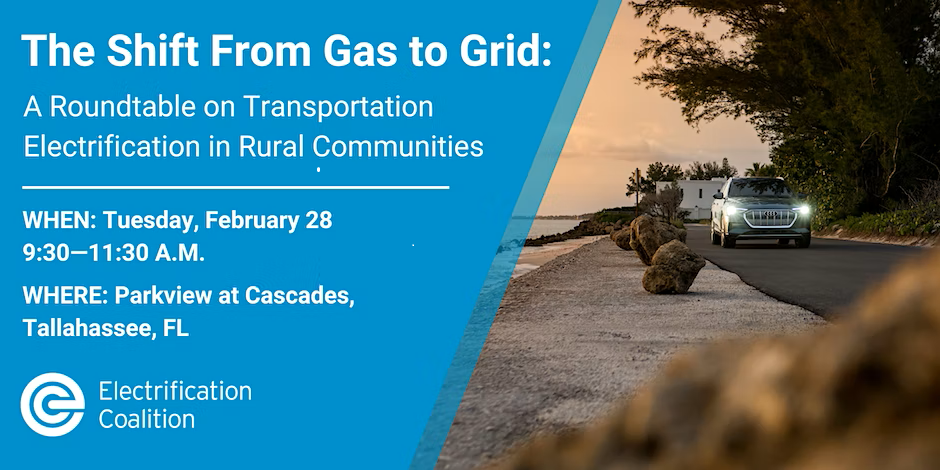
  • The Shift from Gas to Grid: A Roundtable on Transportation Electrification in Rural Communities

    Parkview at Cascades 414 E Bloxham St., Tallahassee, Florida

    The rapid growth in electric vehicles (EVs) today is part of a fundamental shift in transportation. Building on ASP's important work in the state of Florida, we're partnering with the Electrification Coalition for an upcoming in-person event that explores the implications of increased electrification in rural Florida and the connections to national security.

  • Innovating Out of the Climate Crisis: Hard to Abate Sectors

    Heavy industry, including steel, cement, and chemical manufacturing account for approximately 30 percent of global carbon emissions. But, with demand for these industries projected to grow in the coming decades at the same time that scientists say that we must reach net zero, it is essential to find new approaches to cutting emissions from these industries. Please join us for the fifth installment of the Innovating Out of the Climate Crisis webinar series focused on hard to abate sectors, the role they play in global economics, and the policy and technological developments needed to facilitate climate-friendly manufacturing. 

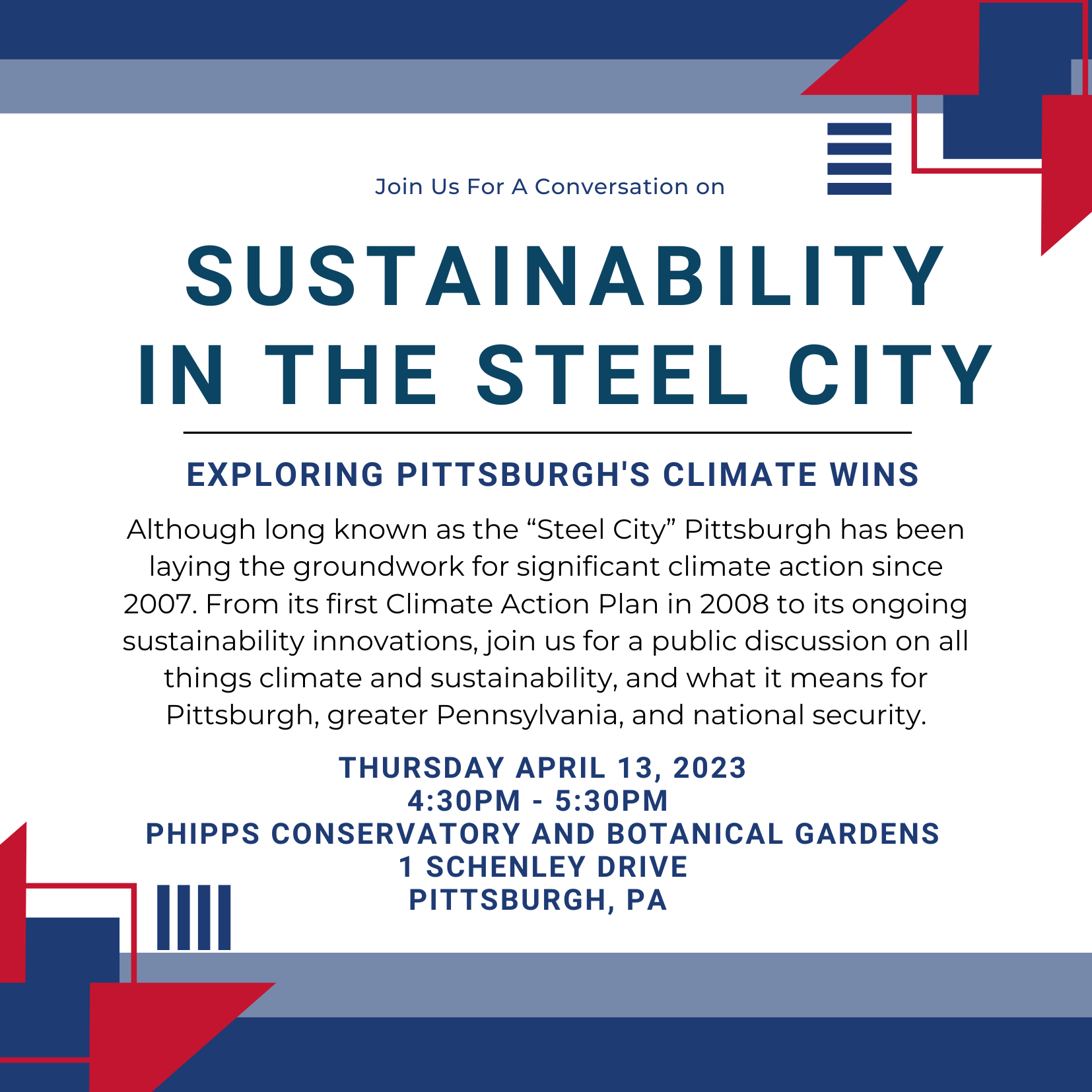
  • Sustainability in the Steel City: Exploring Pittsburgh’s Climate Wins

    Although long known as the “Steel City” Pittsburgh has been laying the groundwork for significant climate action since 2007. From its first Climate Action Plan in 2008 to its ongoing sustainability innovations, join us for a public discussion on all things climate and sustainability, and what it means for Pittsburgh, greater Pennsylvania, and national security.

  • Climate as National Security: Considerations for the Climate Conversation

    Omni Shoreham Hotel 2500 Calvert Street NW, Washington, District of Columbia

    Climate Security is a core component of U.S. national security. It exacerbates existing threats, risks, and hazards while simultaneously creating new ones. Join us for a discussion on the challenges already presented by climate change and Department of Defense adaptation/mitigation strategies.

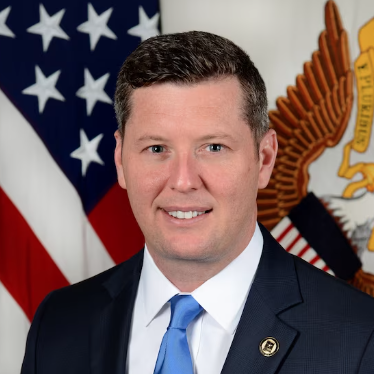
  • Critical Tech and the China Challenge: A Conversation with the Honorable Patrick J. Murphy

    Zoom Discussion

    The United States government has undergone a rapid and bipartisan shift in its approach to the People's Republic of China. Increased urgency and alarm regarding the PRC's efforts to control critical supply chains and leverage commercial tech for military purposes has led to stronger economic competition, particularly in emerging and exponential technologies. In a conversation […]

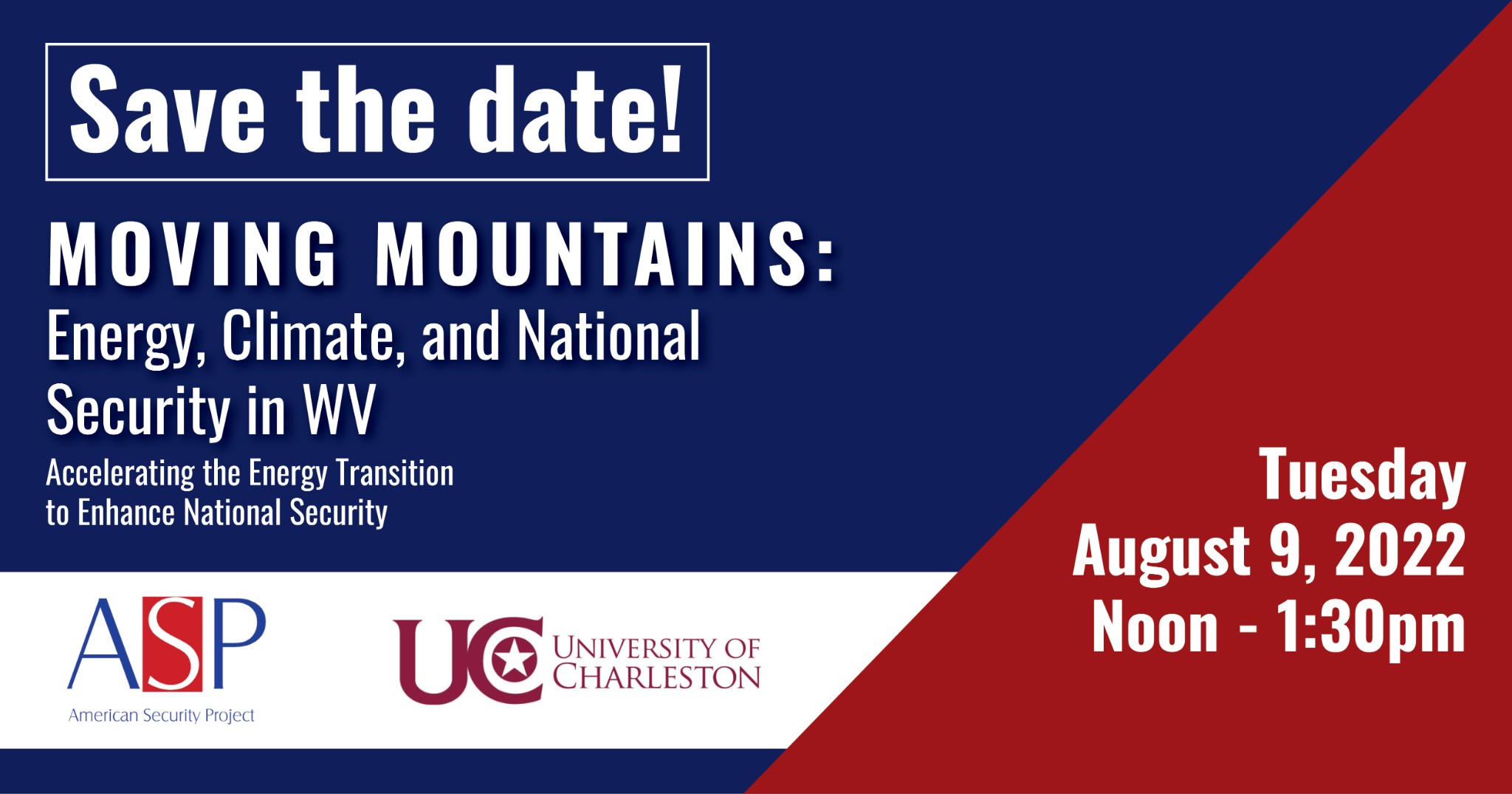
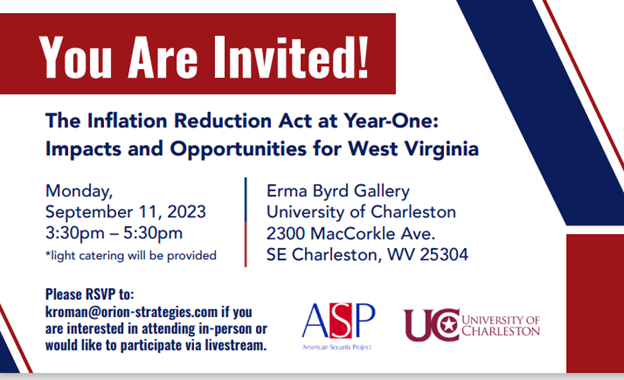
  • Inflation Reduction Act at Year-One: Impacts and Opportunities for West Virginia

    University of Charleston Erma Byrd Gallery, 2300 MacCorkle Avenue., SE Charleston, WV, United States

    The U.S. has just marked the one year anniversary of the historic Inflation Reduction Act. As such, we are only at the beginning of seeing the benefits for states, including West Virginia. With more than $370 billion up for grabs, how are our leaders ensuring the incentives, grants, and benefits are reaching the people who need it most?

  • Climate and National Security in the Copper State: How Continued Climate Action Benefits Arizona and National Security

    Concho Room, Arizona State University, Collaboratory on Central at the Westward Ho, 618 North Central Avenue #100, Phoenix, AZ 85004 Concho Room, Arizona State University, Collaboratory on Central at the Westward Ho, 618 North Central Avenue #100, Phoenix, Arizona

    From Colorado River management to record setting extreme heat—Arizona has been front and center of climate risks and hazards. How Arizona manages and mitigates climate risk has profound implications not just for individuals and communities, but for U.S. national security.

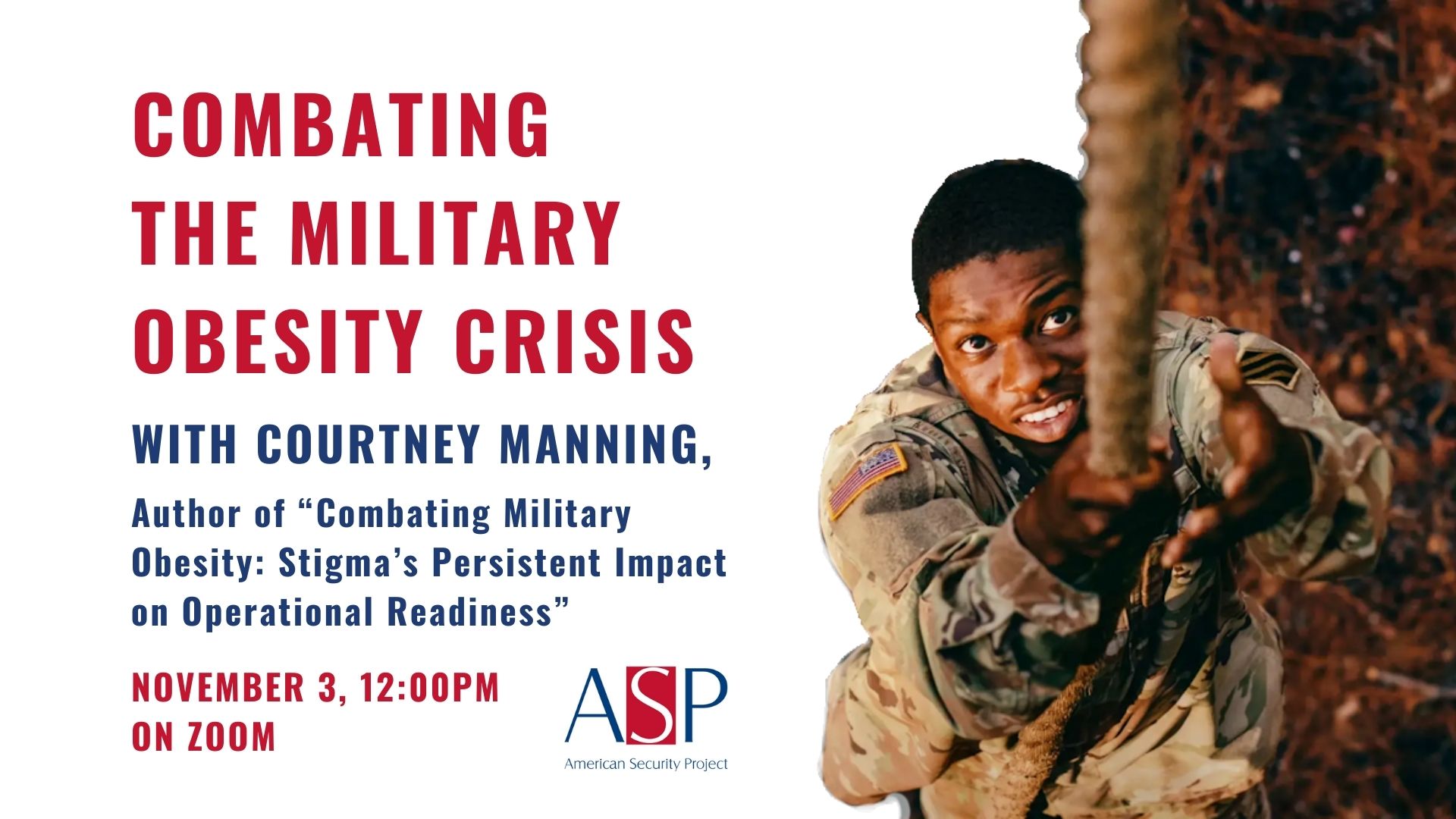
  • Combating the Military Obesity Crisis

    Zoom Discussion

    Sustained recurrence of obesity in the U.S. military poses a dire threat to operational readiness. Combating stigma is the first step.

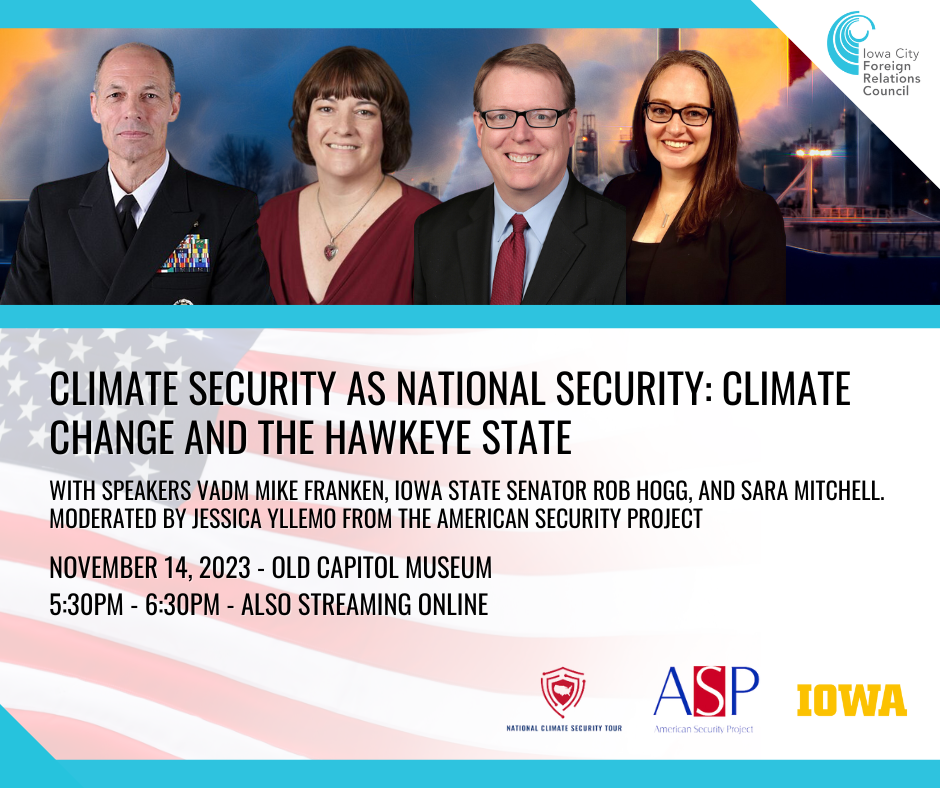
  • Climate Security as National Security: Climate Change and the Hawkeye State

    Old Capital Museum Senate Chamber 21 N Clinton Street, Iowa City, Iowa

    Climate change is at the forefront of both foreign and domestic policy. While often discussed as an environmental issue, there are profound consequences for our national security, the military, and international relations. From an increase in severe weather events to food security and migration – the complexities of climate have far-reaching implications for both Iowans and the nation writ large.

  • ASP at Pittsburgh Earth Day’s Wild Earth Festival

    Pittsburgh Zoo and Aquarium 7370 Baker Street, Pittsburgh, PA, United States

    ASP will be joining the festivities at the Pittsburgh Earth Day / Wild Earth Music, Art and Culture Festival on Saturday, April 20th from 1000-1600. Stop by our booth at the Pittsburgh Zoo and Aquarium and learn more about how climate is impacting U.S. national security, energy security, and American competitiveness. 

  • Experts Weigh In: Fighting Military Obesity in 2024

    Zoom Discussion

    The United States Armed Forces face an unprecedented challenge as obesity prevalence among service members continues to rise. As combat and incidental injuries become less prevalent year-over-year, rates of obesity-related conditions, including diabetes, osteoarthritis, hypertension, and fatty liver disease, increasingly meet or exceed civilian trends. Unlike in the civilian sector, however, the Department of Veterans Affairs and the Department of Defense are hesitant to recognize and treat obesity as a disease. Four leading experts from across the national security and obesity care fields have come together to share the perspectives, best practices, and critical insights that our armed services can use to fight obesity in 2024.

  • Human Impacts of Disaster: Understanding the Climate and Resilience Nexus

    Science Gallery Atlanta 4800 Briarcliff Road, NE (Northlake Mall), Atlanta, GA

    Join our expert panel at Science Gallery Atlanta on September 12 as we explore how Georgia is preparing for climate change, the connections between climate action and public health, and Georgia’s road to climate resilience.

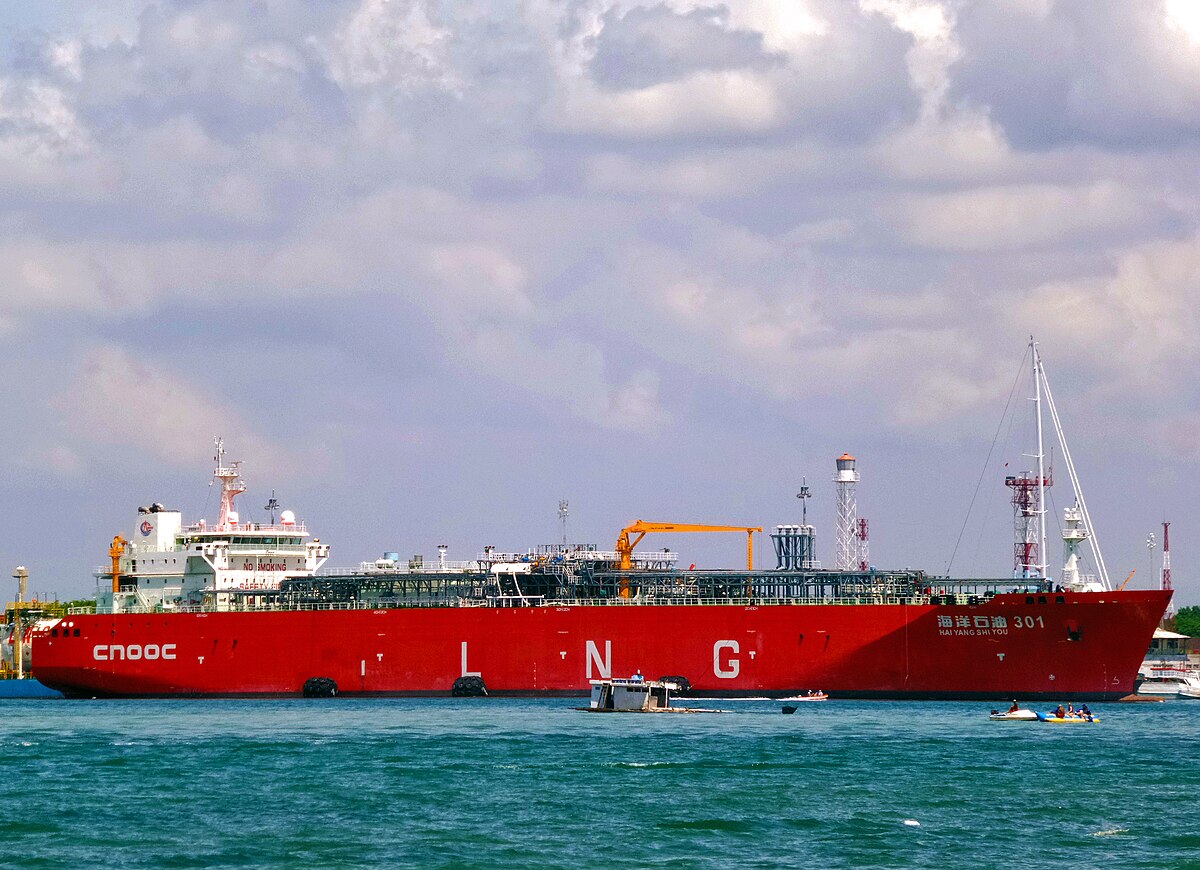
  • Leverage or Liability: The Intersections of U.S. LNG and International Security

    Zoom Discussion

    Over the past decade, U.S. liquified natural gas (LNG) exports have improved global energy security and reduced energy dependence on risky oil and gas suppliers in Russia and the Middle East. LNG offers the United States a powerful tool to fortify alliances and gain leverage over adversaries, but it also carries serious strategic risks and faces declining long-term demand from critical buyers. As conflicts in Ukraine and the Middle East persist and tensions rise in the Indo-Pacific, join the American Security Project for a discussion on current opportunities and challenges at the intersections of U.S. LNG and international security.

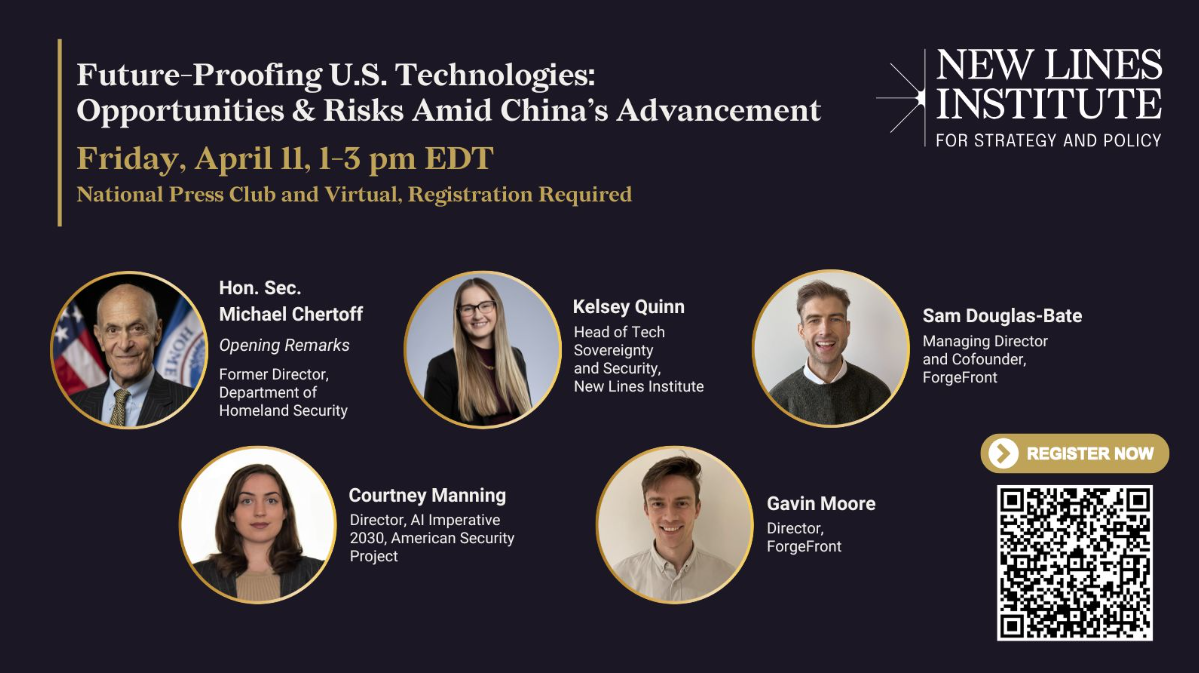
  • Future-Proofing U.S. Technology: Strategic Priorities Amid Chinese Tech Advancement

    National Press Club 529 14th Street, NW, Washington, DC, US

    Please join American Security Project in celebrating the New Lines Institute for Strategy and Policy's new compendium on Friday, April 11, 2025, at the National Press Club in D.C. Comprising critical policy analysis and recommendations on the escalating technology race with China, the compendium, "Future-Proofing U.S. Technology: Strategic Priorities Amid Chinese Tech Advancement” covers topics […]

  • Defending Against AI-Powered Threats from Cyberspace

    From mass phishing campaigns to autonomous penetration tools, AI-assisted operations are the next frontier in cyber warfare. With U.S. leadership at the helm, these same AI systems are strengthening U.S. and allied capabilities by improving detection, speeding incident response, and helping defenders counter intrusions at scale. Join ASP for a conversation on how artificial intelligence […]

  • Targeted and Precise: AI Export Controls and U.S. National Security

    Rayburn Congressional Office Building, Room 2325 45 Independence Ave SW, Washington, DC, United States

    Amid unprecedented global demand for advanced American AI technologies, hardware export controls have enormous consequences for American economic competitiveness, national security, and innovation dynamism. A panel of leading experts at the intersection of national security and semiconductor supply chains will assess export control risks, benefits, and policy options to strengthen U.S. AI leadership while protecting […]