
U.S. engagement with Africa is shifting from a focus on humanitarian assistance to commercial diplomacy and resource access. However, the Trump administration's transactional approach risks ceding long-term influence to China. Read more...

U.S. engagement with Africa is shifting from a focus on humanitarian assistance to commercial diplomacy and resource access. However, the Trump administration's transactional approach risks ceding long-term influence to China. Read more...

If action is not taken to deploy and defend American AI infrastructure, the Chinese Communist Party will continue to weaponize global cloud networks. Read more...
Affordable U.S. LNG exports have facilitated a global shift away from coal and play a critical role in diversifying global energy supplies, and reducing reliance on adversarial energy suppliers. However, new vulnerabilities are emerging. Read more...
The estimated cost of obesity in Active Duty now exceeds $1.35 billion annually. Evidence-based obesity treatment programs are urgently needed to address this crisis. Read more...
India has remained strategically neutral on key geopolitical divides in the 21st century, prioritizing economic growth over great power alignment. Shifting global dynamics, including tighter sanctions on Russia and resurfacing conflicts in the Middle East, present a new opportunity for the United States to strengthen its strategic partnership with the world’s most populous democracy. Read more...
Trans-Atlantic export controls have expanded due to escalating tensions between the United States and China. Agencies are trying to keep up. Read more...
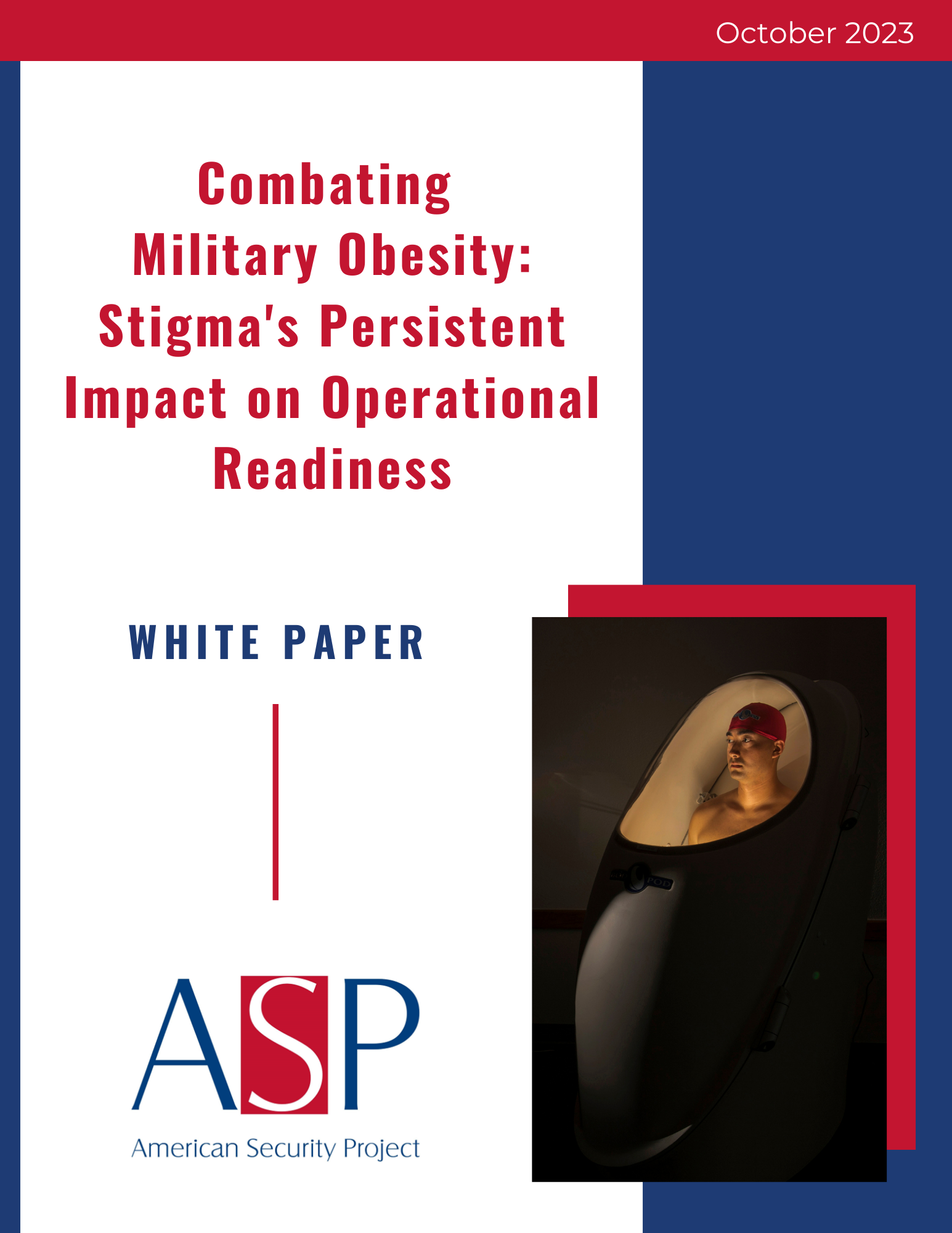
Amidst an escalating military recruiting crisis, pre-accession weight loss programs are helping meet enlistment goals. Rapid and sustained recurrence of obesity across all services, ranks, and positions is now a dire threat to operational readiness, especially for at-risk populations and those in critical combat roles. ASP's new white paper evaluates the role of stigma and science in combating military obesity. Read more...

From Colorado River management to record setting extreme heat—Arizona has been front and center of climate risks and hazards. How Arizona manages and mitigates climate risk has profound implications not just for individuals and communities, but for U.S. national security. Read more...
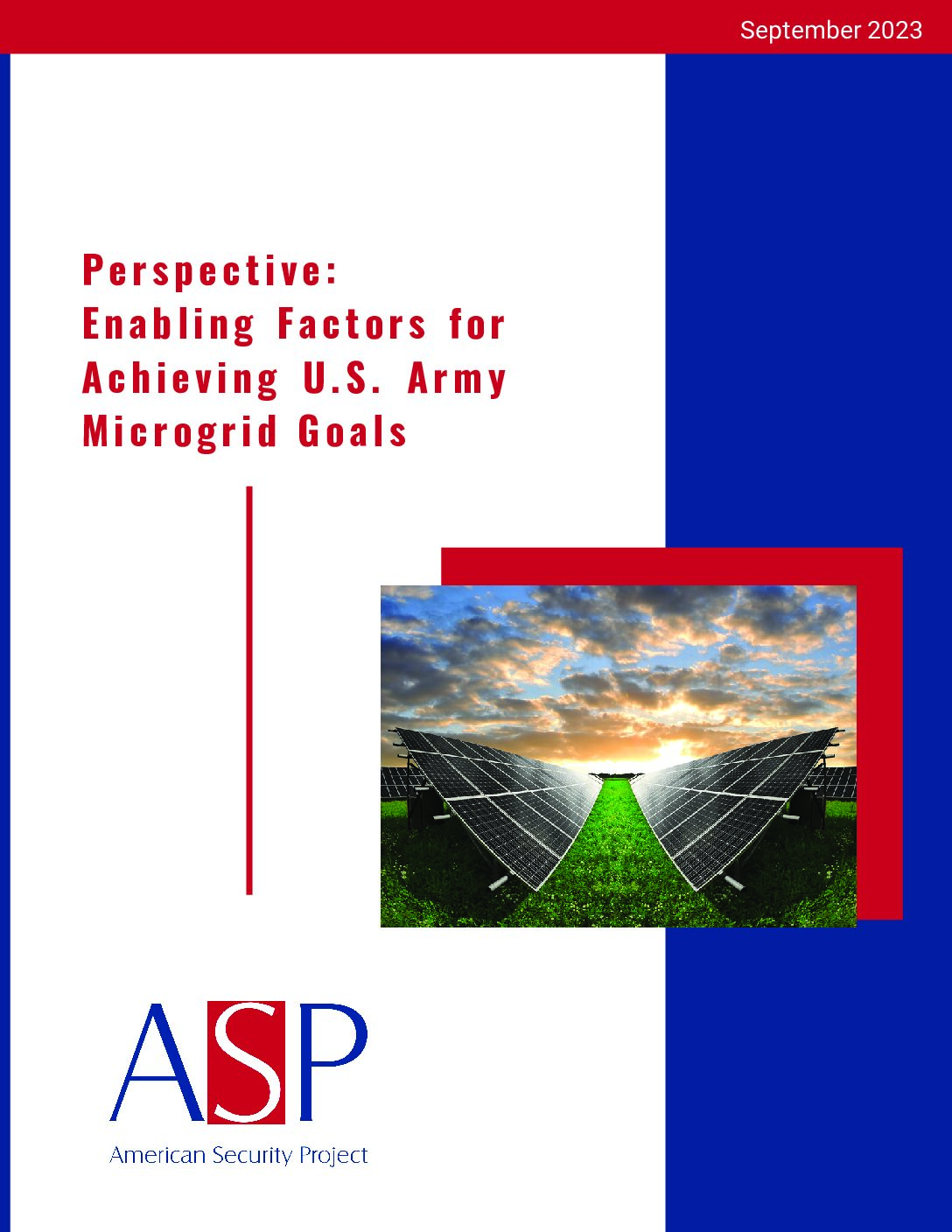
The U.S. Army has more than 130 installations worldwide and has a stated goal of operating a microgrid on all Army installations by 2035. With only 25 microgrid projects scoped and planned through 2024, the speed and intensity of microgrid research, deployment, and funding are critical for achieving microgrid goals and energy resilience. To better understand the nature of the microgrid requirement, ASP explored existing guidance, key research challenges, and other enabling factors which impact the Army's ability to achieve its microgrid goals. Read more...
The electrification of defense vehicles means more than financial savings or emissions reductions—it’s a national security issue. Increasing electrification via electric vehicles (EVs) bolsters military readiness by addressing various threats from heavy reliance on fossil fuels both at home and abroad. Notwithstanding, the Pentagon’s critical efforts to transition to EVs were nearly completely impeded by proposed amendments to the FY24 National Defense Authorization Act (NDAA). Read more...