U.S. officials are pointing to Central Asia as part of the answer to America’s critical mineral vulnerability. But limited scale, risky transit routes, and host governments that hold the leverage make the region a hedge, not a solution.Read more...
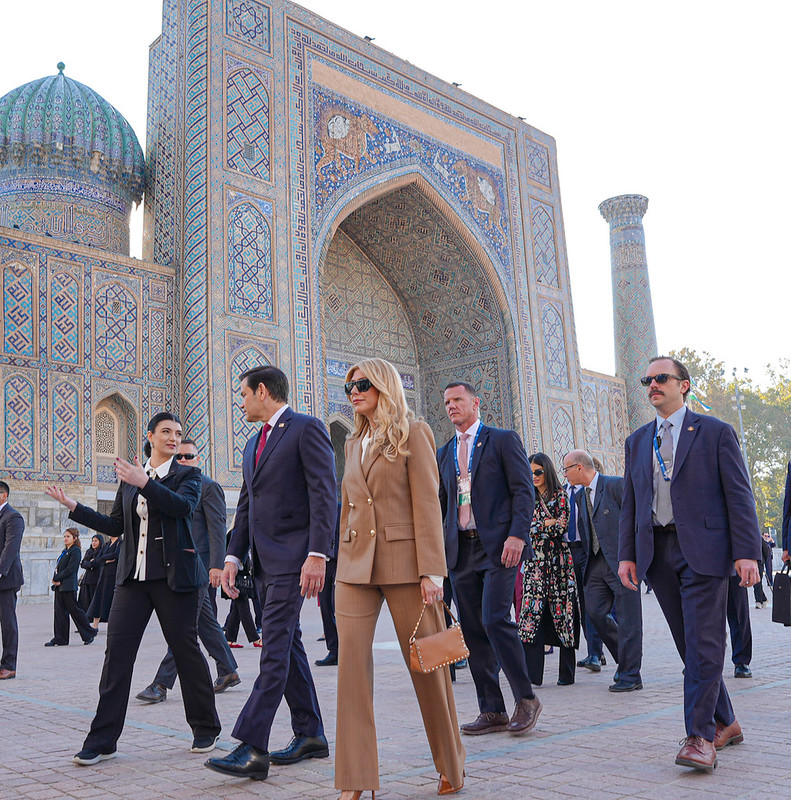
U.S. officials are pointing to Central Asia as part of the answer to America’s critical mineral vulnerability. But limited scale, risky transit routes, and host governments that hold the leverage make the region a hedge, not a solution.Read more...
As U.S.-Canada trade tensions escalate, Canada is increasingly looking to strengthen its economic ties with Europe and reduce its dependence on the United States. The growing dispute risks disrupting critical energy and mineral supply chains while weakening a longstanding strategic partnership. This article examines how continued economic pressure could push Canada toward greater economic independence and create broader national security consequences for the United States.Read more...
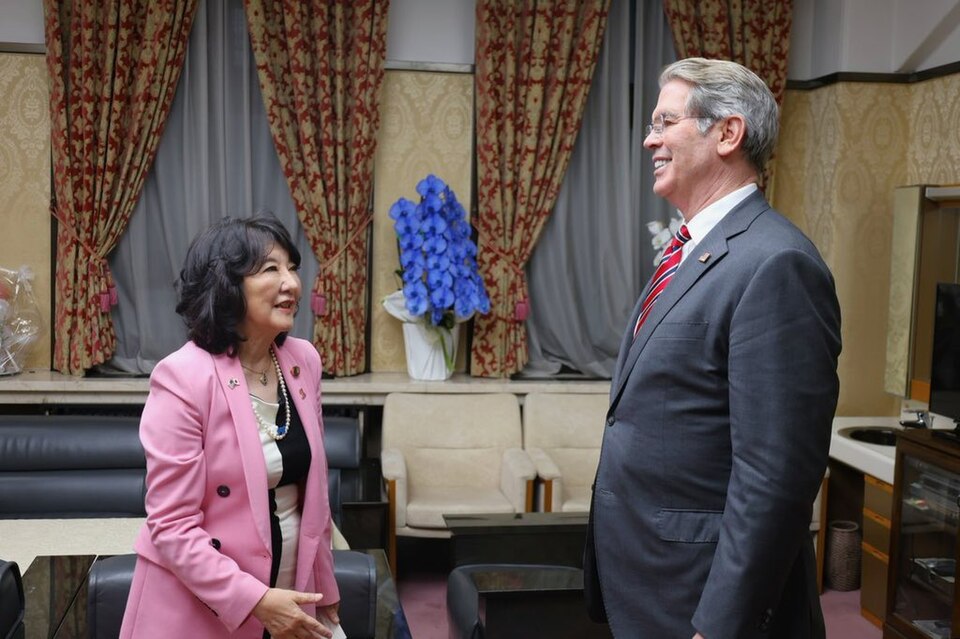
A photographer captured a handwritten to-do list on Secretary Bessent’s desk stating, “Buy Japanese Yen (JPY) $5-10 bil”—fueling market speculation. This rare intervention may not be the last action against “disorderly yen movement,” signaling the importance of Japanese economic stability and orderly yen markets to U.S. national security objectives in Asia. Read more...
Cyber capabilities are emerging as a key component of Tehran's strategic arsenal as it combats Israel and the United States. Washington must coordinate more with critical infrastructure providers in order to guard against present and future Iranian cyber threats.Read more...
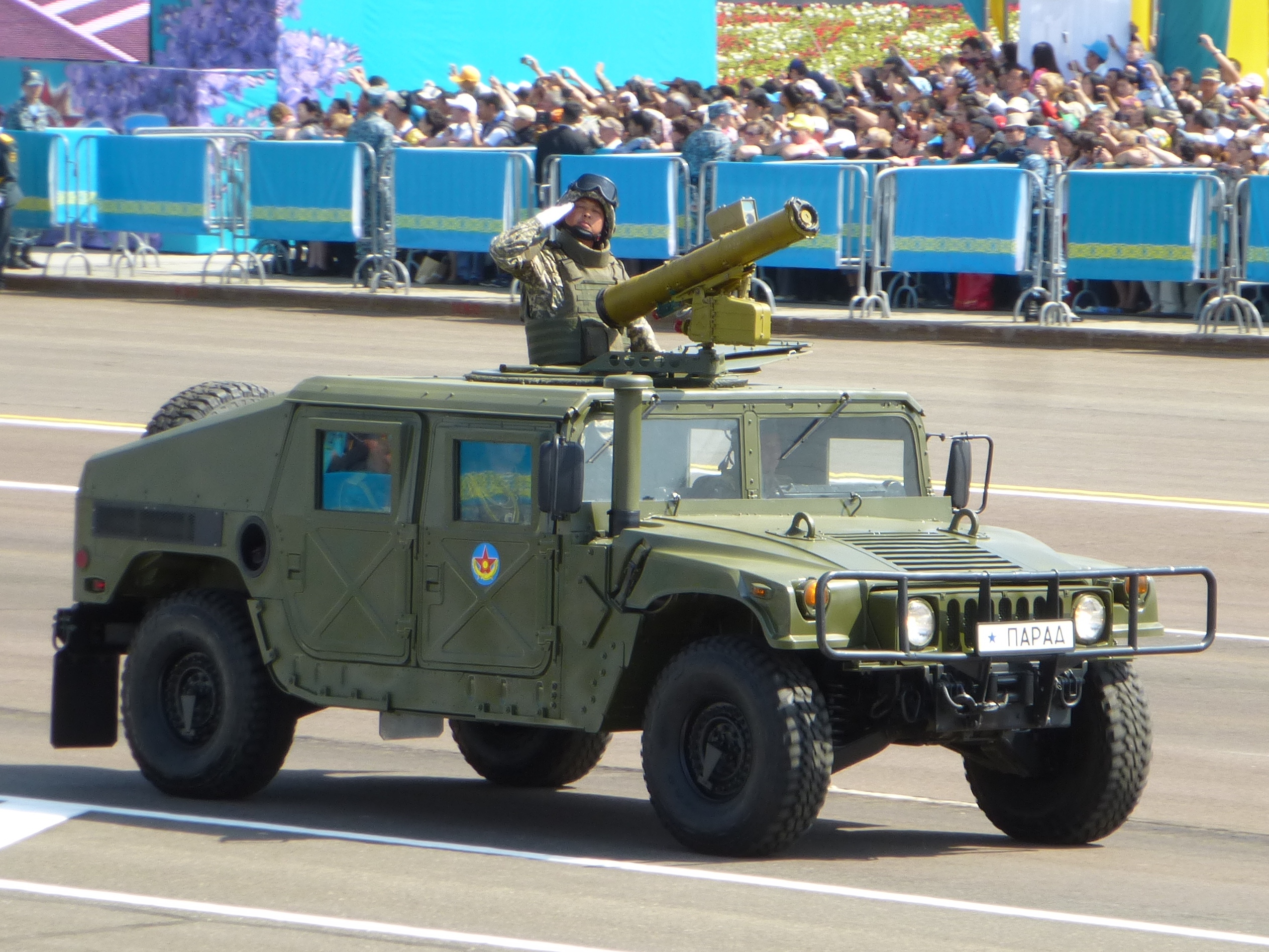
By complementing existing minerals cooperation with new defense partnerships, the U.S. can enable Central Asian governments to achieve greater security independence from Moscow, forestall Chinese influence, and advance American interests in a strategically ascendant region.Read more...

The United States and China are competing to be Saudi Arabia and the UAE's favored partner in AI. How can Washington manage risks of data and technology transfer while competing with Beijing? Read more...

American firms, Chinese state-funded groups, and international organizations work with over 160 foreign governments to build secure cloud infrastructure and other vital components of the AI stack around the world. This interactive map explores these partnerships in the context of AI competition between the U.S. and China. Read more...

Industry-led voluntary reporting of novel AI-assisted risks, threats, and harms is critical to the global development of ethical technologies and norms. A review of thirty AI companies in the U.S. and China finds that American firms maintain far more transparent, accountable, and robust threat reporting practices than their Chinese counterparts. Read more...
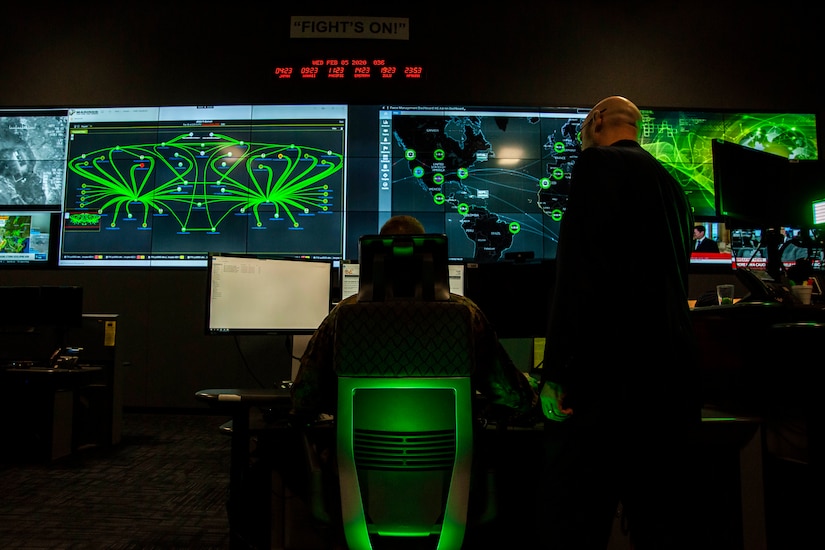
To defend against AI-assisted cyber attacks, it's time to fight fire with fire and ensure U.S. energy dominance, says Julia Nesheiwat, former Homeland Security Advisor to the President and Deputy Assistant Secretary of State for Energy and Courtney Manning. Read more...
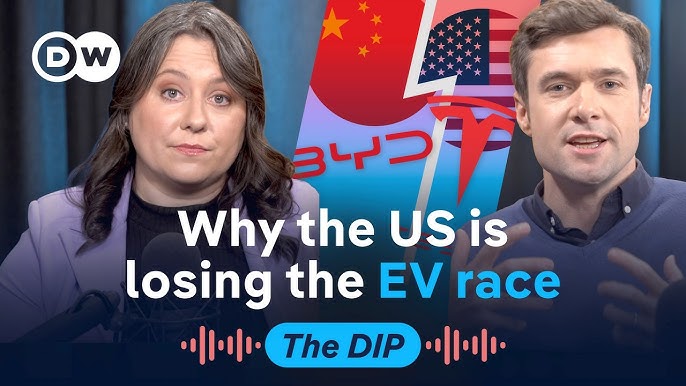
On November 14, ASP Research Analyst Katherine Yusko discussed the current state of U.S.-China EV competition on DW's "The Dip" podcast.Read more...