

Hill Briefing: Opportunities in International Climate Cooperation
Please join us on Tuesday, November 10, 2015 for a discussion of the latest updates and developments in international climate policy as nations prepare for international negotiations.
Please join us on Tuesday, November 10, 2015 for a discussion of the latest updates and developments in international climate policy as nations prepare for international negotiations.
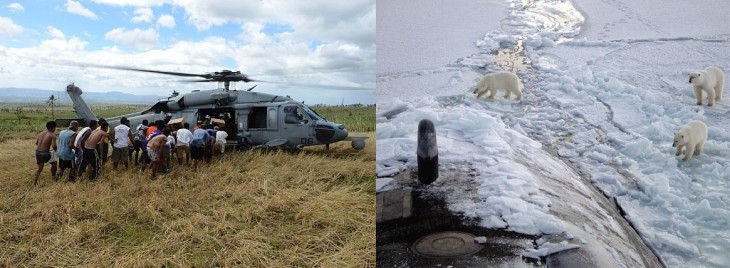
Climate change is already a major concern for US military planners. Meanwhile, American politicians continue to ignore the issue of this growing threat. Join ASP on December 11th as we discuss this important issue.

Join ASP on December 15th in the U.S. Senate to discuss the significant progress made in advancing fusion for America's national security and energy future.

Join ASP and Lloyd's for a half day conference on Wednesday, February 17, 2016, to discuss the City Risk Index, the first ever analysis of economic output at risk in 301 major cities from 18 manmade and natural threats.

Join Dr. David W Titley Rear Admiral USN (ret), and Brigadier General Stephen Cheney USMC (ret) for a discussion moderated by WRAL’s Greg Fishel on how the U.S. military is preparing to deal with climate disruption and what that means for both our national and global security.
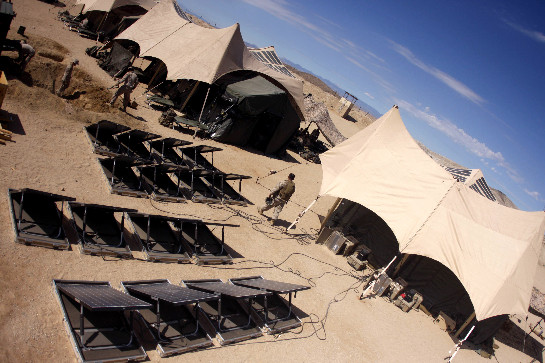
Date September 19, 2017 Time 5:00pm – 6:30pm Location Credit Suisse, 1 Madison Avenue, New York, NY While the military clearly recognizes the threat of climate change to our national and global security, they are also one of the largest users of fossil fuel in the world. These concerns, combined with the vulnerability of bases […]
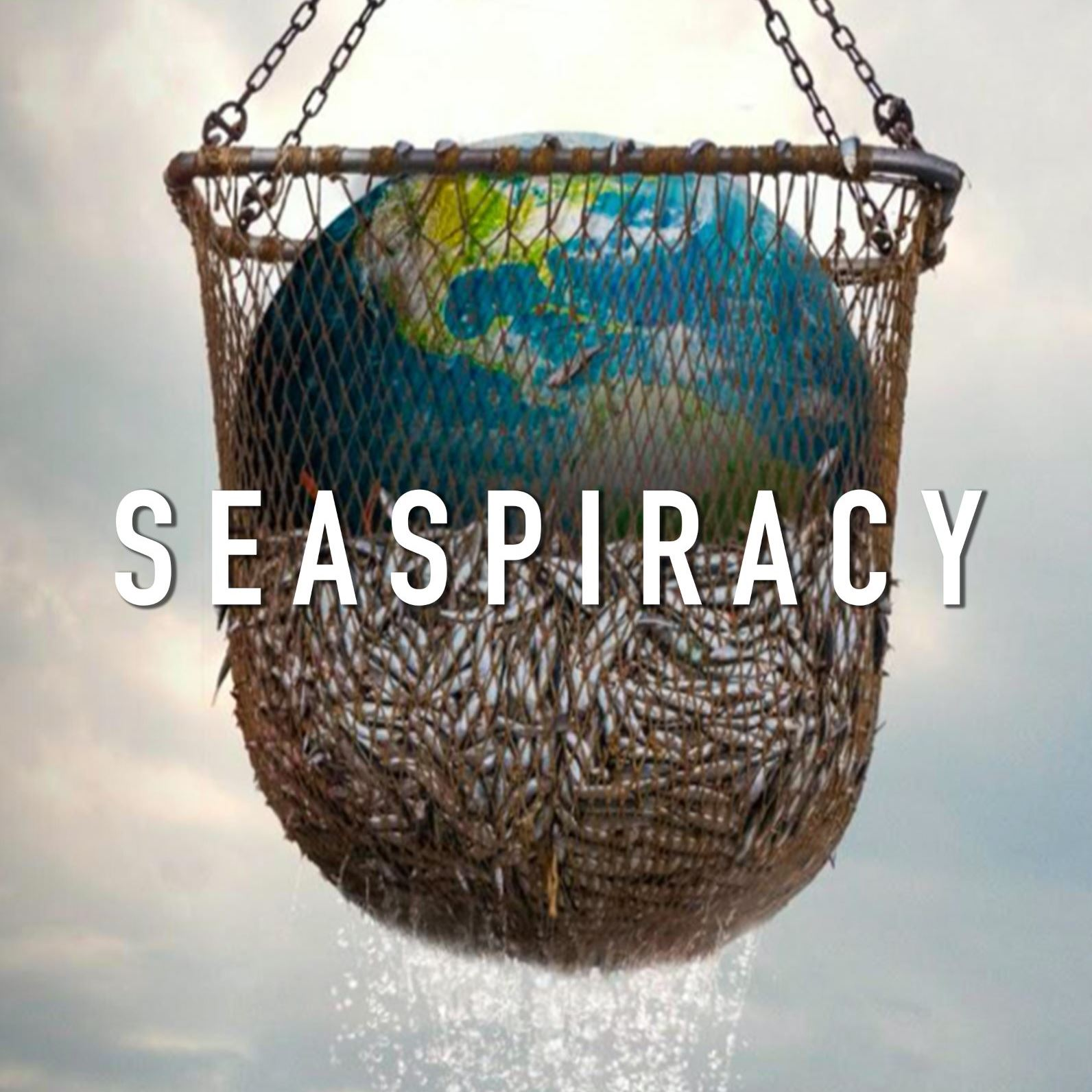
Join ASP and Sea Shepherd for a conversation with Congressman Welch and the directors of Seaspiracy for a conversation on IUU fishing and national security.
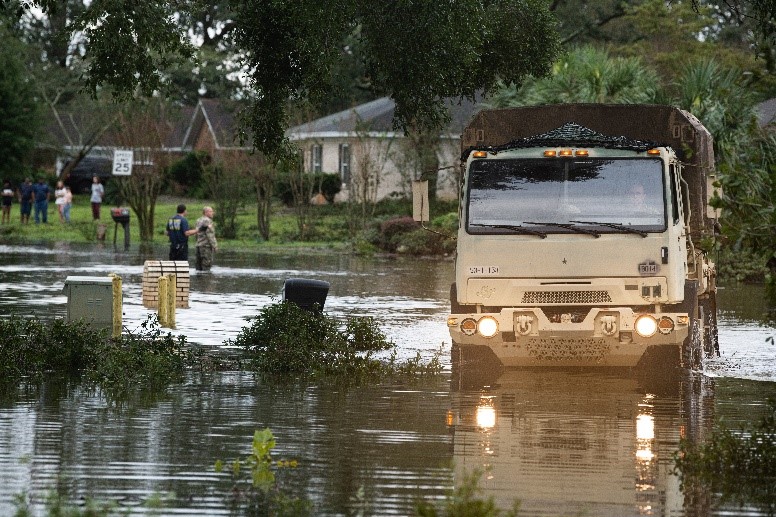
Florida’s strategic importance in protecting America’s national security is indisputable. Home to over 20 military installations, Florida’s abundant coastline is a natural choice for military exercises and deterrence. Tampa in particular, host to two command centers, is a critical convergence of U.S. national security. Join the American Security Project on May 19th at 2pm EST […]

A recap and video of this event is available here. In March 2021, the United Kingdom’s Ministry of Defence (MOD) released strategic guidance on how the MOD will address the challenge of climate change, the Climate Change and Sustainability Strategic Approach. The new strategy highlights how climate change is relevant to defense, how the […]
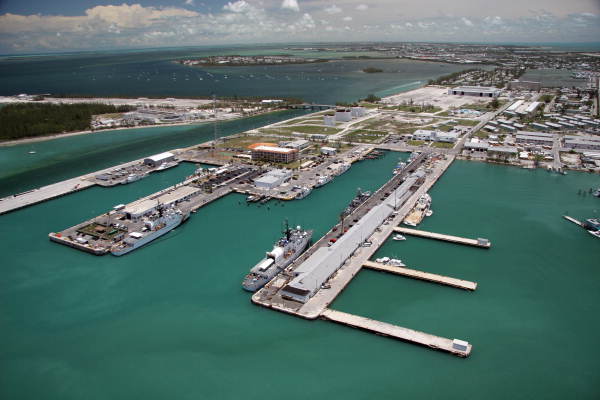
On 16 May join the American Security Project (ASP) and Florida International University (FIU) for an in-person discussion with Executive Director of the South Florida Defense Alliance Richard M. Miller, Florida House Representative James Vernon “Jim” Mooney, JR., ASP Consensus for American Security Member and former Florida Chief Resilience Officer Julia Nesheiwat, PhD., and FIU […]
West Virginia plays a critical role in U.S. energy supply. What's the future of clean energy in a state where coal is king?
In the coming decades, climate change will make farmers’ jobs more difficult than ever, as rising temperatures, unpredictable rainfall, and spreading pests all take their toll on production. But agriculture is not a neutral actor: emissions from the sector account for more than 10 percent of the U.S. total, only marginally less than those from all commercial businesses and residences. Join ASP for a discussion on how innovation in agriculture—including advances in biotech, animal husbandry, soil and nutrient management, and more—can help agriculture adapt to climate change, reduce emissions, or even become a net carbon sink.
Join ASP and the University of West Florida for an public panel exploring the role Northwest Florida plays in enhancing national security, the consequences of climate insecurity, and climate resilience strategies for U.S. military installations.
Climate Security is a core component of U.S. national security. It exacerbates existing threats, risks, and hazards while simultaneously creating new ones. Join us for a discussion on the challenges already presented by climate change and Department of Defense adaptation/mitigation strategies.
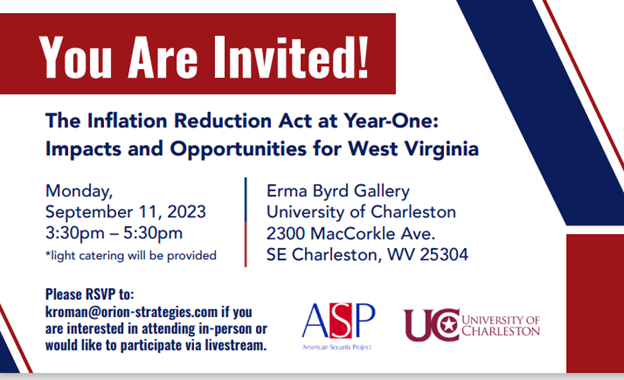
The U.S. has just marked the one year anniversary of the historic Inflation Reduction Act. As such, we are only at the beginning of seeing the benefits for states, including West Virginia. With more than $370 billion up for grabs, how are our leaders ensuring the incentives, grants, and benefits are reaching the people who need it most?
From Colorado River management to record setting extreme heat—Arizona has been front and center of climate risks and hazards. How Arizona manages and mitigates climate risk has profound implications not just for individuals and communities, but for U.S. national security.
Department of Defense adoption of EVs has significant implications for emission reduction, zero-emissions vehicles (ZEV) market demand, and operational effectiveness both at home and abroad.
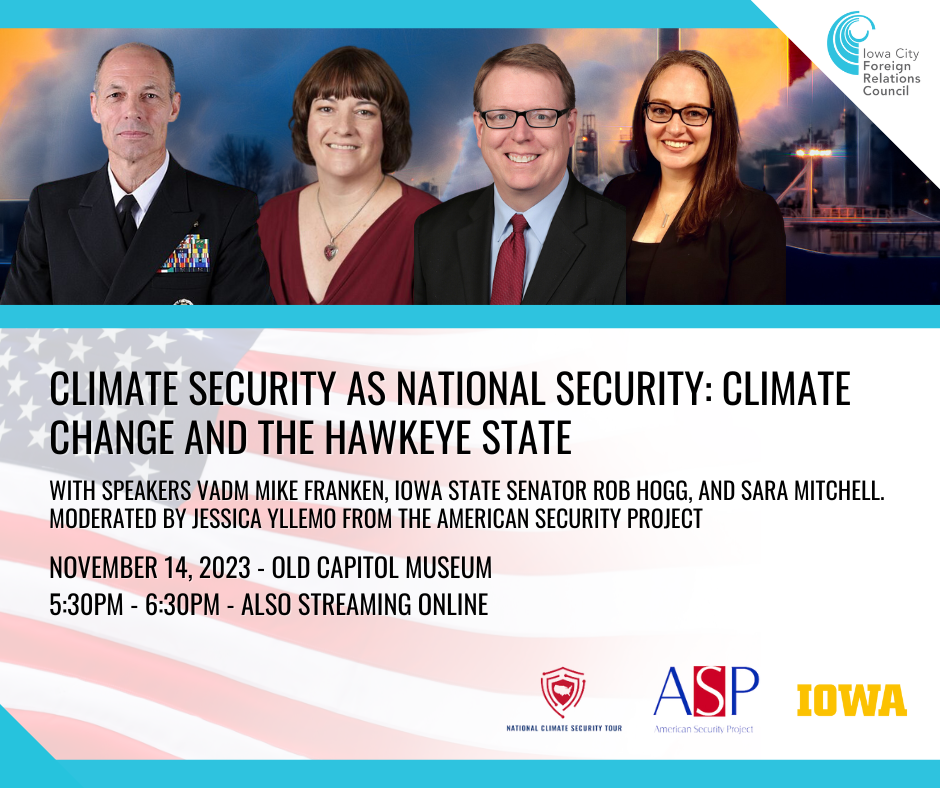
Climate change is at the forefront of both foreign and domestic policy. While often discussed as an environmental issue, there are profound consequences for our national security, the military, and international relations. From an increase in severe weather events to food security and migration – the complexities of climate have far-reaching implications for both Iowans and the nation writ large.