"*" indicates required fields

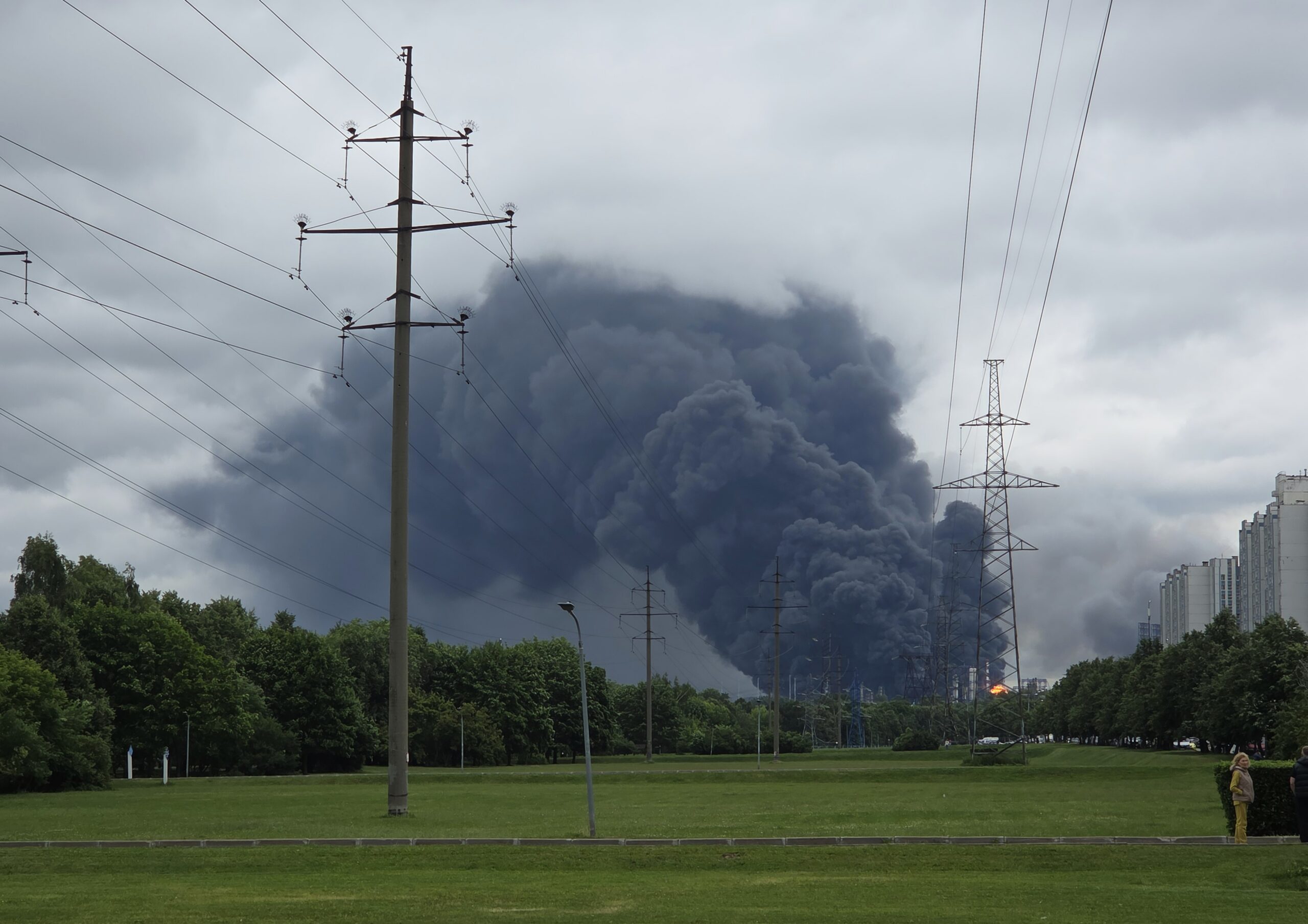
China’s Unseen Cyber Threat to Energy Security

Every solar panel and battery connected to the U.S. grid depends on inverters, which have historically been produced by mostly Chinese manufacturers. In May 2025, U.S. experts found undocumented radios embedded in some Chinese-made inverters, allowing remote access that bypasses firewalls. These hidden components pose a grave cyber-physical threat. Official responses have been ongoing, as SolarEdge achieved BABA compliance, and Florida utilities are sourcing non-Chinese hardware. Congress is continuing to push procurement bans. But the real opportunity can be seized by raising baseline security standards and coordinating with allies. The U.S. can reshape supply chains before the next threat emerges, not after. Read more...

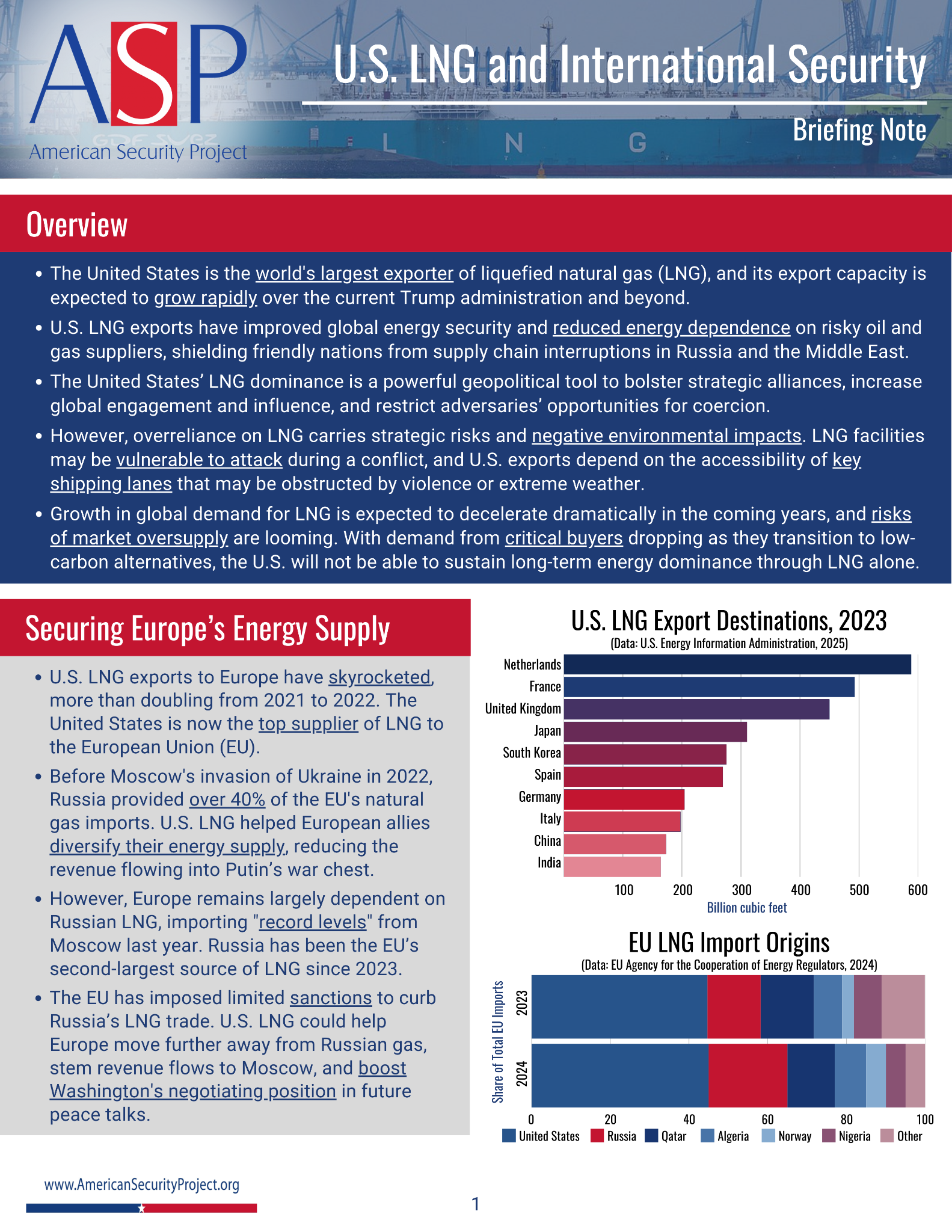
Briefing Note – U.S. LNG and International Security

U.S. LNG exports are a powerful geopolitical tool with the capacity to bolster strategic alliances, increase global engagement and influence, and restrict adversaries' opportunities for coercion. However, overreliance on LNG carries serious strategic risks and negative environmental impacts for the United States and its partners. Read more...

Briefing Note – U.S. Firms and China’s Data Regime

The People’s Republic of China forces all domestic and foreign companies to share their intellectual property, technology, and consumer data with the Chinese Communist Party. The United States must prevent American companies from selling U.S. consumer data in exchange for access to Chinese markets. Read more...

The Energy Transition Demands Nuclear Energy Cooperation

On November 1st, the United States and Republic of Korea signed a Memorandum of Understanding on Principles Concerning Nuclear Export and Cooperation, a provisional agreement to “promote the expansion of peaceful nuclear energy.” This agreement will facilitate research cooperation, which can tackle some of the largest issues in nuclear power, while simultaneously bolstering each countries’ economic security. Read more...